
5 Questions to Ask Yourself When Selecting an OEM Manufacturing Company in China
Making products by outsourcing manufacturing to China can be an incredibly rewarding experience. Not only does it enable you to develop the item exactly how you want, but it also allows you to create high-quality products in much larger quantities than you would otherwise be able to make on your own. For these reasons, more and more entrepreneurs are choosing to manufacture their products in China by enlisting the help of an OEM manufacturing company.
However, with all the options currently available, selecting the right OEM company can seem like a daunting task.
Asking yourself the right questions before you begin production with a new partner can save you time and money in the long run, ensuring that you have an efficient manufacturing experience from start to finish. Let’s get started!
Question #1: What Are My Requirements & Standards?
The first question to ask yourself before approaching an OEM company is to develop an exhaustive understanding of your product. Not only should you have a general idea of the product, but also write down the product specifications in detail like:
- Colors
- Materials
- Dimensions
- Components
- Manufacturing techniques
- Manufacturing process
- Quality standards
- Packing requirements
- Import and export requirements
When you manufacture a product, the outcome can be drastically different based on what type of raw materials or techniques are used. It’s important to establish your criteria beforehand so that you know which company will create the best result for you.
Question #2: What Is My Budget Limit?
It’s important to define the upper limit of your budget when outsourcing your production to any supplier, because a more affordable company may not be able to provide you with the same quality and efficiency as a more expensive option. And you may not want to sacrifice the product quality just for saving a bit of money. That being said, while the price is certainly something you should consider when shopping for an OEM supplier, it shouldn’t be the only deciding factor.
However, it’s not a good idea to set an exact budget number right off the bat before all other factors are not considered.
In this case, you can estimate the price range for this manufacturing project based on what you think would work best for your company. Then you can also compare various service providers to have a better understanding of the perfect investment for your business.
Question #3: What Should I Do to Conduct Due Diligence?
After fully considering your needs, then you can conduct due diligence to know whether the manufacturing company is knowledgeable about your specific product type, or if it has worked with similar products before.
The best way to find this information out is by researching the company website to know their background, qualifications, service category, past work, etc.
You can also ask for references from a supplier you trust or reach out to other businesses that are manufacturing a similar product.
Doing detailed due diligence is not an easy task, check out our blog to know how to spot a real factory or a trading company in China.
Once you have all the relevant information, compare different manufacturers’ strengths and weaknesses against your needs and make a decision based on what will work best for your business.
Question #4: A One-Stop Shop Factory VS. Different Suppliers
Then you also need to think about do you want to use a one-stop shop factory that can fulfill all your needs or different suppliers who can specialize in different areas.
A one-stop shop factory is a model whereby one company manufactures, assembles, and distributes the product that they have been commissioned for. This factory can potentially increase efficiency and reduce production costs as a result of having all production processes under one roof. However, this could also limit your options for product customization if their manufacturing capabilities are limited.
If you need to make products with different materials or designs than what they produce, then you will need to find a different supplier. Furthermore, there may be certain materials or suppliers that are hard or expensive to acquire domestically in China so it may be necessary to find another supplier.
If time is not a concern and cost savings are your main priority, then finding one supplier might be the best option for you. However, if flexibility is more important for you, then working with multiple suppliers would be recommended.
Question #5: How to Guarantee My Product is Perfectly Working?
One way that a manufacturing factory can prove its commitment to quality assurance is by providing a sample of your product for inspection. In this case, requesting a product sample before placing your first order can be a good idea.
If there are any flaws, you have the opportunity to give feedback before mass production. In other words, if the manufacturer has nothing to hide, then there should be no problem with sending out a sample or a finished product for testing. This eliminates the risk of encountering problems and ensures your customers get what they pay for!
In addition, it’s imperative to look at whether your potential manufacturing supplier has an in-house quality inspection team or not. You want someone who will stand by you when things go wrong because inevitably something will go wrong at some point. If they assure you of having quality inspections available, ensure that the inspection report specifies what exactly is being inspected and which parts aren’t included.
Final Thoughts
Ultimately, your choice of manufacturer in China should be determined by what matters most to you and how much involvement you want with the production process.
Keep in mind that there is no perfect way of choosing a manufacturer but it’s worth taking some time to think about what’s important and how much you want to be involved in the process.
If you need any help, look no further than Shield Works. Founded in 2020, we are an offshoot of the British-owned and managed C2W Group located in the South China Greater Bay Area offering high-quality and competitive manufacturing services, supply chain management, quality control, and product development requirements.
We focus on the provision of a tailor-made solution based on your situation to meet your standards and requirements. Start your journey by reaching out today to discuss your product and learn how we can help.
How to Work Successfully with a Product Development Company in China
Whether you’re outsourcing manufacturing or just having product development done, working with a product development company in China may be the best thing you can do for your company. It’s not always easy to work with these companies and get what you want, but by following these tips, you can make sure you have the best experience possible when working with a product development company in China.
Researching if a Chinese company is right for you
Do your research to make sure the company is reputable and has a good track record. Request referrals from other clients, read reviews, and look for third-party verification on their website or social media pages.
If you’re still not sure, contact your potential manufacturer directly via email or phone to ask them questions about their manufacturing process, products they’ve made before, turnaround time, etc. Make sure you’re clear on what you want upfront so there are no surprises later. Make sure you have a clear idea of how much it will cost and how long it will take to get the product manufactured once all details have been finalized.
Finding the right supplier
There are many things to consider when looking for a supplier, such as cost, quality, turnaround time, and communication. Quality is always the most important consideration but you will have to weigh that against your budget and desired timeline. For example, if you’re going for high-quality but don’t want it delivered quickly, you’ll need to find someone who specializes in producing slow-moving items or can give you a discount on the price.
A product development company with a widespread network of suppliers in China can help you a lot as they provide a vast pool of options for you. This can save you time and money, as you’re likely to find several good suppliers from one firm.
Use an Online Translation Tool
If you’re looking to develop a product with a company based in China, it’s important to establish clear communication from the start. Using an online translation tool can help bridge the language barrier and ensure that both parties are on the same page. You should find a reliable translation software provider such as Google Translate or ICanLocalize before your project starts.
Always be sure to get in touch with your partner before starting work on your project. Communication is key to everything, and make sure you language is simple to understand. Do not assume that the partners will understand what 5×5 means when used in reference to size, or finish by Labor Day, as the Chinese Labor Day falls on May 1, when referencing deadlines. Be specific when discussing measurements and timelines so there is no confusion.
Use Templates as a Starting Point
When you are ready to start working with a product development company in China, it is important to have a clear idea of what you want your product to be. Templates can be a great starting point for this process. However, be sure to communicate your vision clearly to the company you are working with.
It may also be helpful to do some research about popular products on the market and create images or sketches based on these ideas. For example, if you want a toy that will help teach toddlers how to count and learn colors, you could use pictures of other toys that teach those skills as a template.
Ask For Samples
Always ask for samples of their previous work. This will give you an idea of their quality and craftsmanship. If possible, try to have someone visit their facilities, given the current travel restrictions, and meet with their team in person. This will help you get a better sense of who you’ll be working with and how they operate.
It’s important to find the right balance between trusting your instincts and choosing the company that checks all your boxes when it comes to your budget, timing, quality standards and expertise.
Document Everything
When working with a product development company in China, be sure to document everything. This includes contracts, communication, and any other important details. If god forbid, when it comes time for you to file a complaint or lawsuit against the manufacturer, you will have everything on hand for the process.
It is also important to remember that often times there are discrepancies between what was agreed upon and what was actually delivered. It is best to document as much as possible so that you can catch these discrepancies early before they escalate into an issue.
Deal With Design Changes at Scale
Changes are common in a design process. They may be minor, such as changing the color or size. Or they can be major, such as changing materials or components and all that entails. However, it is important to note that there are two types of changes: those that can easily be made at scale and those that cannot. The latter must always be done by hand.
When working with a product development company in China, make sure you specify which type of change you want done so the designer will know what to do! If your project requires many changes, have your Chinese manufacturer provide guidance on how to handle them.
Working with a product development company in China is not something to take lightly, but the rewards can be great if you do your research. That takes an experienced product development company for you to achieve, and Shield Works is one with 17 years of experience in this area. Reach out to us if you’d like to know more!
What to Know About Trademark Renewal in China
Doing business overseas is a massive accomplishment for businesses of all kinds. If you decide to go global and you want to enter markets such as China, you will want to make sure you have the proper paperwork in place for your trademark.
Even more so, you want to make sure that you keep up with your trademark renewal to ensure that you can continue to run your business under your preferred trademark name. If you currently do business in China or are in the process of doing so, you will want to learn more about keeping up with your trademark. Continue reading below to learn more about the trademark process and the trademark renewal process in China.
What Is the Trademark Law in China?
China only recognizes trademarks registered within its jurisdiction, and they are a “first-to-file country,” which means that the trademarks are typically given to the first business to file the trademark application. If you have an idea that you wish to trademark, it is recommended that you start the trademark process as soon as possible.
If you fail to trademark your business name, it leaves room for bad faith registration. It isn’t uncommon for businesses or individuals to knowingly file someone else’s trademark.
When to File Your Trademark Application
It is best to file your trademark application with the Chinese government within six months of submitting your trademark application in your home country. When you do it within six months, you can use your original priority date on your Chinese trademark.
Chinese Trademark Proceedings
The Chinese trademark registration process takes three to six months to complete. Depending on the volume of trademarks in the queue, it can take several months before your trademark application gets assigned to an examiner.
The Chinese Trademark Office, also known as the CTMO, tries to process their applications within six to nine months from start to finish, but don’t expect your application to be approved within that time frame. You should expect to receive approval within twelve to eighteen months.
What Happens if Someone Files My Trademark?
As mentioned earlier, it isn’t uncommon for someone to file a trademark in bad faith. If you feel that someone else filed your trademark in bad faith, you can file an Opposition.
The opposition process takes some time to complete, averaging from twelve to eighteen months. Most clients don’t have their opposition request reviewed until about eleven months after they send in the original request.
You can change your trademark to avoid infringement if you don’t want to go through the opposition process. Even if the original trademark were yours, it would be best to change your trademark since someone already claimed it.
You may be able to get away with minor changes in the trademark to receive an approval, but this depends on a case-by-case basis. The Chinese trademark office may deny your request if you need to make large scale changes. If you are unsure what to do, you may want to contact a trademark attorney for more information.
Filing a Trademark Renewal
You will need to meet renewal deadlines to ensure that your trademark does not expire. Once you have your trademark, you must renew it at least once every ten years. It typically takes about one month for you to receive your approval for the renewal.
Of course, as with any process, there are some potential delays. To ensure you receive your approval before your deadline, send your application for trademark renewal at least six to seven months before your tenth year.
Why Should You Register Your Trademark?
It is imperative that you register your trademark in China, even if you are a well-known company. As you now know, several different entities profit off making counterfeit items. For example, a well-known shoe company, New Balance, had to fight for its trademark rights in China for ten years before it won its trademark.
If you don’t register your name and someone else takes it, you must go through several legal proceedings to get your trademark back. This can cost you and your business thousands of dollars. To avoid this, it is best to register your name as soon as you can.
Chinese Definition of a Trademark
A trademark sign helps consumers distinguish the services or goods of different producers. This mark can either be a specific color combination, words, or numerals.
Additional marks used for trademarks:
- Devices
- Three-dimensional signs
The mark can also be a combination of all the above listed factors. In order to register your trademark in China, you must follow certain aspects.
The Mark Cannot Be Functional
China does not accept trademark applications that refer to the model of the service or the good itself. For example, if your business sells apples, you can’t just register an image of an apple or the word “Apple.” Any general imagery is free to use by any company, so registering an apple by itself hinders other companies.
The trademark must not sabotage competitors by using similar words or symbols related to other companies. For example, if you also sell technology devices but wish to label your company as Apple or something close to that name, you could face infringement from Apple.
The Trademark Must Be Legal
Your trademark cannot be similar to the name of an international organization or state’s flag. Your brand also cannot discriminate against anyone or any nationality. The Chinese trademark office will deny your request if your trademark indulges in exaggerated or fraudulent advertising.
The Trademark Must Be Available for Registration
Before submitting your application for your Chinese trademark, head over to the Chinese trademark office’s website. They have a database full of all the current trademarks registered in the country.
Make sure you look up your trademark name to ensure that it is available for you to register. The database contains preliminary approvals, trademark renewals, final approvals, and modifications of all trademarks.
The Trademark Must Be Distinctive
Similar to the trademark being a legal rule, your trademark must be distinctive. This means that you should be able to clearly distinguish your trademark from that of other services and goods.
Where to File a Trademark in China
If you wish to file your trademark in China, you will have to do so through the Trademark Office, China National Intellectual Property Administration. You can apply directly through this organization or through the World Intellectual Property Organization. It is essential that you reach out to a registered agent if you don’t have a place of business or residency in China.
Choose Your Product and Service Subclass
When filing your trademark, you have to file your application per class of goods or services. You will also need to submit a precise list of services or goods for which the protection needs. For example, footwear and boots fall under specific subclasses in China, so your trademark could be registered by different companies if the subclass is deemed different from yours.
When you file your trademark, it is imperative that you ensure your trademark covers all relevant services and products. Make sure it covers relevant goods and services in all applicable subclasses, or else you risk the chance of someone legally filing your trademark under a different subclass.
Register the Trademark in Chinese Characters
It is crucial to note that you must file your trademark in Chinese characters as well. If you don’t, you risk the chance of another company coming in and taking your brand in their native language.
If other firms use your trademark in their locally spoken language, there is a chance you could lose customers. It could also cause you to diminish your brand value. An example of this is with Mercedes-Benz.
When they entered the Chinese market, they had difficulty translating their name, as it directly translated to “rush to die.” Make sure you work with a reputable agent to ensure that your name gets correctly translated and not misconstrued by your potential new clients.
Benefits of Filing With the Chinese Trademark Office
As mentioned earlier, if you don’t have residency in China or a place of business in the country, you must file your trademark through a registered agent. When you file with a reputable registered agent, they can help you find the correct class and subclass to file under.
If you file through the World Intellectual Property Organization, the examiner will decide the subclass on your behalf. Although this sounds helpful, there is a chance they could miss a subclass.
How To Choose Your Chinese Trademark Name
To avoid infringement or any miscommunication, you must register the direct translation of or the Chinese version of your trademark. There are a few different strategies you can use to ensure that you choose the correct Chinese trademark name.
Phonetic Translation
Phonetic translations involve creating a Chinese character name that sounds like the original trademark. For example, Audi is known as Ao Di, and McDonald’s is known as Mai Dang Lao.
This strategy works best if the brand already has an established reputation amongst consumers in China. This can be a tricky strategy because of the several different dialects in China. Your trademark may directly translate as you want in one dialect, but it could mean something undesirable in another.
Literal Translation
Literal translations tend to work if your trademark has a distinctive meaning. For example, Apple trademarked its name as “Ping Guo,” which is a literal translation for apple. Another great example is the Palmolive brand.
They trademarked their name as Zong Lan, which is a direct translation of “palm” and “olive.” If your company chooses to go this route, be sure to invest time in building the association with your trademark name and the Chinese character trademark.
Combining Literal and Phonetic
Combining literal and phonetic translations is the most effective strategy if you are able to combine the two. This strategy takes the sound of your trademark name and combines it with a positive defining trait of your brand. You can also use a positive Chinese cultural reference.
For example, Coca-Cola goes by “Ke Kou Ke Le,” which translates to “taste and be happy.” This perfectly combines literal and phonetic translation.
To ensure that you have the right combination of the two, make sure you work with a registered agent to help you. Again, you don’t want to create a trademark name that could mean well in one dialect but could mean something not pleasant in another.
Why Is Trademark Renewal Important?
As mentioned earlier, you want to make sure you renew your trademark once every ten years. As a general rule of thumb, you should send in your renewal application at least six to seven months before your ten-year expiration date. It is crucial that you renew your trademark because if you don’t, you risk leaving a window open for another entity to come to take your trademark.
China Trademarks and Manufacturers
The trademark renewal process is just as important as the trademark application process because they both ensure that you retain the rights to your trademark. It is imperative that you make sure to renew your trademark once every ten years, or else you risk losing the trademark you worked so hard on.
If you wish to break into the Chinese market and you need a reputable manufacturer to help you, contact us. Our team is here to answer any questions or concerns you may have.
5 Reasons Why Making Your Product Prototype in China Is A Good Choice
Are you looking to make your product prototype in China? If so, your decision might be the right one, but there are several factors that must be taken into consideration beforehand, such as cost and the amount of time needed to complete the project. Let’s take a look at 5 reasons why making your product prototype in China may be your best choice.
Advanced Technology
China has been increasingly investing in advanced technology, making it a go-to destination for product prototyping. With state-of-the-art facilities and experienced engineers, China can create high-quality prototypes quickly and efficiently. If you need to make changes to your prototype, all you have to do is send the design files over the internet and let them know what changes you want made. Advanced technology means that more complex products like robotic arms or 3D printers are readily available as well.
They also have a huge variety of materials including metals, plastics, ceramics, textiles and wood, which means you can be experimental in the process. For example, if you wanted a metal tumbler but one was not readily available on Alibaba’s website, they could use stainless steel sheets to create one for you.
Prototyping speed
There are a few reasons for this. The vast majority of Chinese manufacturers are extremely efficient and organized. They can usually turn around a prototype much faster than their Western counterparts.
Second, the cost of labor is much lower in China, so the cost of making last minute change will be lower and more feasible as well. Chinese manufacturers are often more flexible and willing to make changes to the prototype than Western manufacturers.
There is also a wide range of manufacturing capabilities in China, so you’re likely to find a supplier that can meet your specific needs. Meanwhile, many Chinese manufacturers have experience working with Western companies, so they’re accustomed to meeting Western standards.
Cost Saving
When it comes to cost savings, making your product prototype in China is a no-brainer. Chinese manufacturers are able to produce high-quality prototypes at a fraction of the cost of their Western counterparts. As we mentioned above, the low cost of labor in China means that you can get your prototype made for a fraction of what it would cost to have it made in the West.
The low cost of labor also means that there’s no need to worry about sourcing locally and incurring additional expenses by having everything shipped over. Plus, if you’re working with a larger company and require different types of prototyping services like 3D printing or metal casting, as they likely already have all these materials on hand, that can also save you even more!
International and Industrial Experience
If you’re looking for an experienced and reliable manufacturing partner to help bring your product to life, China is a great option. You’ll benefit from China’s vast pool of international and industrial experience, as the country is home to some of the world’s most advanced manufacturing facilities and technologies. The vast majority of Chinese manufacturers are ISO 9001 certified, so you can be confident in their quality control processes.
You’ll also find that China has factories that specialize in producing various components for both domestic and export markets, which will allow you to save on costs by using only one factory. Even if your company is small or medium-sized, it will have no problem finding a manufacturer with the capacity to produce your order.
Most factories have relationships with overseas buyers who they work with regularly; this means they can give you priority service even if they are busy with other clients at the time. In fact, many factories have English speaking staff members who will work closely with you throughout production process.
Faster Delivery
For many startups and small businesses, the biggest advantage of working with a Chinese manufacturer is not only the speed at which they can get product prototype made, but also delivered. This can ensure more flexibility in reviewing and making more spontaenous changes.
Many Chinese manufacturers use logistics and shipping companies to ensure quick deliveries, with a wide selection of ports or even airports to ship, wherever your prototype is made. Their logistical networks are very expansive and spreads all around the world, so no matter you are located, your prototype can always manage to arrive in time!
All of these aforementioned factors make China an attractive option for entrepreneurs who are looking to create a new product prototype. If you want your company to take off, and you’re considering which country would be the best fit for your new project, it’s worth investing some time into learning more about China’s cost-effective benefits. All it takes is a reliable and experienced manufacturing company, such as Shield Works. We have over 17 years of experience of prototyping and international team that ensures smooth communication. Reach out to us if you’d like to know more!
What Are the Benefits of an International Warehouse in China?
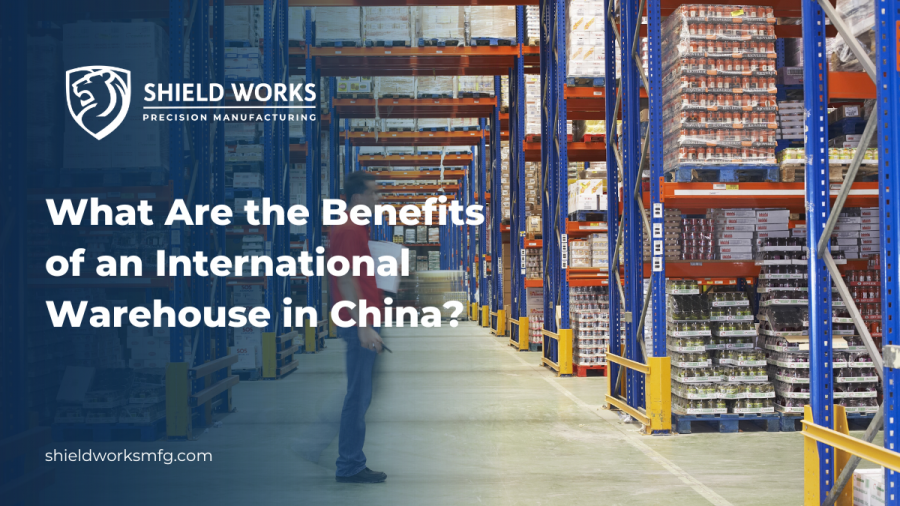
Did you know that China’s industrial output rose by over 9% last year? With low labor costs and great infrastructure, it remains the manufacturing hub of the world. So how can you benefit by conducting business in China?
If you are finding warehousing increasingly costly and hard to manage, then this country could have the answers. Read on as we discuss the benefits of an international warehouse in China.
Global E-commerce Is Competitive
If you want to access a global e-commerce audience, you have to be prepared to work for it. Whatever your product is, you will have numerous competitors, many of whom sell the same items. That means you need to take every advantage you can to get a competitive edge.
Having a new warehouse service in China lets you speed up your fulfillment process. You can reach audiences in the far east and Australia much quicker than you would do by posting from the US. You also get the chance to cut down on costs, which you can pass on to the consumer or absorb as profit.
Efficient Processes
There are numerous different challenges when it comes to warehousing. To deliver the most efficient service, you need to manage inventory, fulfillment, and transportation. Doing them properly requires organization, time, and the hiring of a large team.
By outsourcing to an international warehouse in China, you relinquish these jobs to a third party. You won’t have to manage a workforce or juggle your own team with those handling logistics. Instead, it will all be done for you.
All of this improves the efficiency of you and your team. You can redeploy workers to perform other tasks, and you can concentrate on what really matters: Getting leads and improving conversions.
Cost and Profits
While you save a lot of time, the financial advantages should not be underestimated either. In the US and Europe, warehousing can cost a lot of money. Once you start paying for the space, you also need to hire the staff to operate it for you.
With this model, you don’t have these incurred costs. Instead, you have to pay the third party for their service, which will work out much cheaper.
In China, the cost of labor is lower, meaning these operations can be performed at a reduced price. Added to this is the fact that a lot of the shipping costs are lower, making it competitive to send items across the world.
Access to Major Shipping Solutions
If you find shipping challenges to be a constant and recurring headache, then the right warehouse in China can help. By finding the correct one, you can have your products next door to one of the world’s major ports.
These will often have both land and air routes close by as well, so a whole range of shipping options is accessible quickly. With 24-hour customs clearance as standard at most major ports, your items can be on the way to buyers in an instant. All of this provides a huge advantage when it comes to international trade.
Easy to Scale Up
A time may come when you need to scale up. However, retail is a fickle business and what may be needed one year or season could drop the next. If you invest in space and staff, once in place, you are left with the ongoing costs.
It also takes time to put these things in place. If you want to do it fast and with minimum costs, a warehouse in China is a viable solution. The warehouse management will inform you of any leftover products lying in your inventory, so you are not paying for space housed with products that are not converting.
If you ever need to scale back the business, this works in the same way. You can reduce the space and stock you need without cost.
Human Resources
The last few years have seen what has come to be known as the great resignation. For businesses, this has made it hard to attract and retain employees in a wide range of industries. This process can be long, involving advertising, interviewing, and then the time of settling a new employee into the job.
China has human resources in abundance. There is a large population who are always looking for work, especially in the warehousing sector. Manpower is easy to hire and lets you scale up much more efficiently, without the long processes.
For specialist jobs, these people will already be on hand. You won’t have to train people or even put them through courses and certifications. Instead, the company will have what is needed at its disposal.
Networking and Experience
Once you have a warehousing company, you may need other contacts. It could be a manufacturer, or you may want access to other foreign trade zones. When you don’t speak the language and understand the culture, this can be extremely hard, and making the step is a huge financial risk.
The operators of warehouses will have numerous contacts. You will be able to ask their advice on who to use and, crucially, trust. As well as this, you can tap into their expertise and knowledge on everything from handling to shipping.
Finding an International Warehouse
Now you know the benefits of an international warehouse in China, you just need to find one. There are several companies online and middlemen who will help you navigate the cultural and language gaps.
If you need precision engineering, manufacturing, or warehousing in China, then Shield Works should be your first stop. We can provide a range of solutions, lowering your costs and improving efficiency. Contact us to discuss your needs and let our expert staff begin increasing your company’s efficiency.
Behind The Great Product: How Does Product Design Work and What Do You Need to Know
As you may notice that there’s more to every product than meets the eye.
Today, people are bombarded with thousands of choices each day, and it’s easy to overlook one mediocre product among so many great ones.
The appearance of a product can be as important as its functionality because people will judge the product by its look at the first glance. A good-looking product can be popular and dominate the market in a short time.
Here’s how product design services can help you with your next big project. Let’s get started!
What is Product Design?
Product design, as its name suggests, is all about designing products. It has several variants including industrial design, graphic design, and software design.
Product design is used to improve the appearance of products, making them more appealing to consumers. It can also be used to improve the function of a product, making it more user-friendly or efficient.
Product design is one of the main processes in new product development that aims to create successful products that solve customer problems. In order to do this, product designers must comprehend what both clients and users want as well as make sure they have an excellent experience with the item.
From smartphones and washing machines to furniture and cars, you’ll find many of the products that we can see, touch, and use in our homes, workplaces, or anywhere else in our daily routines are the result of this practice.
A good product can win over customers quickly while a bad one will end up costing your company thousands of dollars in return fees, wasted resources, and irreparable brand damage. That’s why you have to ensure that the design process is perfect before mass production or else things can go very wrong.
What is The Difference Between Product Design and Industrial Design?
The distinctions between industrial design and product design are often unclear, or even inconsistent depending on whom you ask.
What is Industrial Design?
Industrial designers are tasked with addressing both the aesthetics of an object as well as its functionality. It requires more work in transforming and customizing designs to make products ready for mass production.
What is Product Design?
Product design is a subset of industrial design. A product designer focuses more on the detailed appearance of the products following the client’s specifications and applicable standards.
Today, it’s common for many product development and manufacturing companies in China to use both terms interchangeably because an industrial designer and a product designer are both playing nearly identical roles professionally and share virtually the same goals of designing well-made products.
How Does Product Design Work?
Product design is one of the main processes of creating a new product, and it usually begins with research, followed by ideation, prototyping, testing, and finally production.
Stage 1: Ideation and Strategy
Before you pass your idea to the product designer, it is important to have a clear vision that determines the product type, the main features, and functionalities, and the problems the product will solve. Also, you need a strategy to define how to make it, and why it would succeed for it in this current market.
The product designer also needs to provide design specifications for the developers. Design specs provide in-depth information about the design of a product, including details of the interface such as colors, typefaces and fonts, and detailed measurements. They might also include usability information, such as animation and motion details, user flows, and product behavior.
Stage 2: Designing
The product designer needs to provide design specifications for the product engineers before creating a prototype.
These are detailed instructions that tell exactly how products will look, including colors, dimensions, weights, materials, and other technical details.
Stage 3: Prototype
After finalizing the product design, it’s time to build a prototype or series of prototypes to test your hypothesis.
Creating a prototype allows the designer to discover if they’re on the right track, and it often sparks different ideas that you wouldn’t have come up with otherwise to further streamline product development.
Using the physical prototype can help to test function and user experience although it will be expensive when compared with a digital design.
Stage 4: Testing & Modification
Product designers rely on usability testing to test and validate the product’s design with target users.
This allows you and your design team to see and learn about how people will interact with your products, which is a good way to gather qualitative data, identify user experience, and measure user satisfaction. After that, you and your designer can make changes accordingly and create a new prototype to keep testing until it’s ready for launch.
What Are Some Things to Consider Before Hiring a Product Designer?
A good product design can make your product more marketable and successful.
If you’re looking to design your product, but don’t have the in-house team and facility available, working with a product development company with a team of experienced product designers can be the perfect solution.
In this case, there are five main considerations you should keep in mind before moving forward:
- Think about what you want your product to look like. This will help you communicate your vision to the designer.
- Consider your budget. You can find some cheap product design services online, but a good product design can be expensive, so you’ll need to make sure you can afford it.
- Decide on the type of product design you need. There are many different types of product design, so you’ll need to choose the one that’s right for your product.
- Check out the designer’s portfolio to get an idea of their experience, style, and skills.
- Consider the timeline for when the project will be completed.
Ultimately, using product design services can help you create a better product that is more likely to succeed in the marketplace.
If you need any help, look no further than Shield Works. Founded in 2020, we are an offshoot of the British-owned and managed C2W Group located in the South China Greater Bay Area offering high-quality and competitive manufacturing services, supply chain management, quality control, and product development requirements.
We focus on the provision of a tailor-made solution based on your situation to meet your standards and requirements. Start your journey by reaching out today to discuss your product and learn how we can help.
4 Things You Must Know about IP Protection in China If You’re Manufacturing There
China manufacturing has become much more popular in recent years, with the China being known as the ‘world’s factory’. However, while China manufacturing offers many benefits, it also comes with its own unique set of challenges, including intellectual property protection issues. For those considering manufacturing in China, here are four things you must know about IP protection in China if you’re manufacturing there to help you avoid potential legal issues down the road.
It’s Different When You Are Not From There
In any country, protecting your intellectual property (IPR) is difficult. It becomes even more complicated when you are dealing with a foreign jurisdiction like China, which has its own set of laws and customs that differ from your own. While no one wants to consider they might ever need to use IP protection methods, they can be an asset if you are faced with problems.
Before you seek legal help or pursue someone for violating your IP rights, remember that many IP cases fail because companies make basic mistakes; before taking action, it pays to know some of them. For example: Remember that you are a foreigner – Chinese laws should protect you against infringement, but don’t assume they will.
Having a backup plan is important because there is always a possibility that law enforcement may not assist you. Keep in mind who owns what – In China, registered trademarks are owned by the registrant rather than being assigned based on where products are sold. Due to this rule, you could lose ownership over your trademark simply by failing to register it properly. In addition to using multiple locations for manufacturing facilities and offices, Chinese businesses tend to utilize multiple forms of IP protection, such as patents, trademarks, and copyrights.
Trademark Registration in China
In order to fully protect your intellectual property (IP) rights, you must apply for trademark protection in China. There are three ways to do so: chinese national or regional trademark offices can be contacted directly, through a representative, an agent, or through a representative of an agent.
Direct registration is cheapest and fastest. If you don’t speak Chinese fluently, you will likely want to use an agent rather than trying to do this on your own. The best agents have years of experience filing trademarks in China and can walk you through the process.
Make sure your trademark is maintained by filing periodic renewal applications before its expiration. If you fail to renew, you risk losing all legal protections conferred by registration-including the right to prevent others from registering a similar mark. It is called trademark squatting when someone registers a trademark similar to yours after yours has expired. This process occurs frequently and is called trademark squatting.
Generally, copyright protection is achieved through registration with CIPA (China Intellectual Property Office). This ensures your work is protected legally.
Following completion of examination and approval procedures, trademarks can be registered with SAIC (State Administration for Industry & Commerce) or SIPO (State Intellectual Property Office). In addition to providing exclusive rights for your trademark, it also allows you to contest its use in court if necessary. If you wish to register a trademark, the most important thing is to make sure it hasn’t been registered by another party first; otherwise, you may face difficulties if you want to register it at a later date.
Brand Protection
When it comes to your creations, if you haven’t registered them through patent or copyright registration with qualified departments, you cannot take advantage of their legal protection. For instance, when developing something new, ensure it is registered intellectual property before distributing it to others for commercialization. This will allow you to lay the groundwork for future protection of your rights and interests.
Make sure you include an effective copyright notice on all of your original works. Copyright is defined as a form of personal ownership that protects original works of authorship including literary, architectural and artistic works from being used by others without permission or compensation.
What To Do with An IPR Dispute
You should definitely keep your records – things like your business contracts, licenses, registrations, licenses, licenses, you name it. You don’t want to destroy any records!
Check with a local attorney before signing agreements like these because they often have clauses that should be looked at beforehand. The clauses listed in this section may jeopardize Intellectual Property Rights in China.
When a dispute does arise, you can find a way to solve it by going to the police or foreign courts, among other choices. They are many instances, like going before the entire commission of Beijing Arbitration and seeking help from other departments such as SIPO and the National Copyright Administration.
Alternately, many foreign companies can solve their problems by going to the local technology offices for consultation at any time. One solution you may turn to after you consult with an infringer and find that it refuses to respond to the consultation is to take the infringer to court by yourself or to apply for help from SIPO. The most important thing is to be prepared with IPR protection before bringing the infringement to an end in China.
It’s better to prepare for the worst-case scenario, like if you found a company with a safe production facility and its own IP protection zone. Shield Works is just such a company. Different types of IP protection services are available, such as a partnership with a leading IP industry expert in China. If you want more information, you can always get in touch with us!
Buying From Chinese Websites? 6 Benefits of Package Consolidation
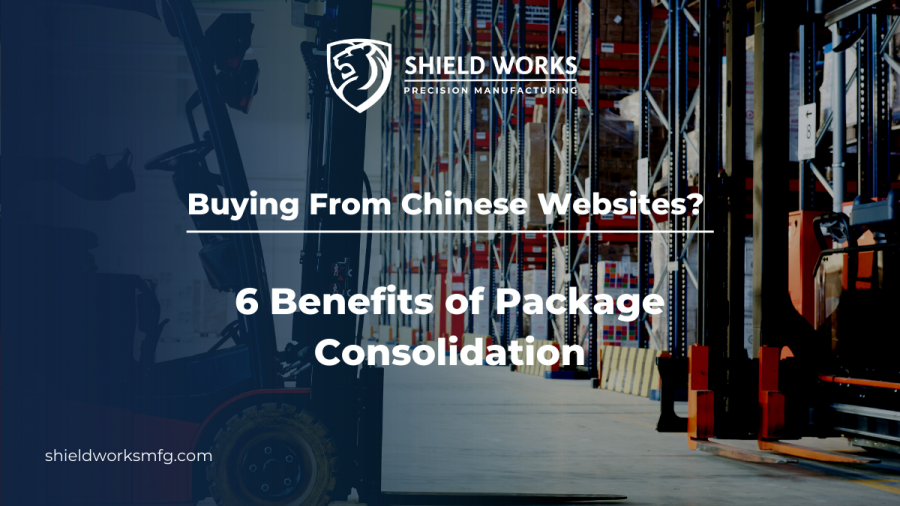
It’s estimated that every split suborder adds a shipping cost of 1.9 dollars. Even though that number might seem small, the figures amount to a lot of wasted money.
Plus, the excess packaging leads to environmental waste, which is terrible for the environment. So, what’s the solution?
Package consolidation is a great way to reduce shipping costs while still receiving and sending high-quality products. If you’re not already using order consolidation methods, you will be after reading this article.
This article will briefly summarize package consolidation and how it can benefit you. That way, you can start implementing changes by consolidating packages.
What Is Package Consolidation?
As online shopping continues to rise, there are more and more packages being transported worldwide every day. From a business point of view, this is the dream scenario.
However, it can cause logistical problems in reality, resulting in higher costs and limited resources for other parts of your business. The idea behind package consolidation is that you group multiple items in one place.
This is an excellent solution if you work in clothes retail and have several t-shirts going to one household. You can safely transport goods without having to pack various boxes and packages.
Package consolidation is a low-cost alternative to sending packages internationally and could save you thousands of dollars in the long term because you can optimize the space in each container.
6 Benefits to Package Consolidation
Above all else, having an order arrive in one box with all the items is a guaranteed way to make your customers happy. When someone orders online, they want to receive everything at once.
1. Happy Customers
Customers keep a business thriving for years; without them, you wouldn’t be able to sell your beautiful products. So, it’s a top priority to make your customers satisfied.
When there’s so much competition online, you want to do everything you can to stand out and get noticed. The easiest way to build a better reputation is to send orders that arrive quickly and efficiently.
That means grouping items together into one package. The order is also less likely to experience damage in transport when it’s sent with other products, which will lead to fewer customer complaints.
2. Opportunity for Bundle Packages
Being in charge of manufacturing means you have control over the product assembly, so you can choose to group certain items in your store.
For instance, if you sell sports shorts, you can offer a deal for a pair of shorts, a t-shirt, and socks. You can get customers’ attention and encourage them to buy products together.
This marketing strategy makes it easier for you to transition to package consolidation and cut shipping costs while providing a great customer experience.
Package consolidation works for everyone!
3. Offer a Free Gift for the Extra Weight
In the shipping world, you’ve probably come across dimensional weight (DIM), which refers to the weight of a package and its dimensions.
Sometimes, you can be charged extra if the DIM exceeds the package’s weight. If you’re looking for a way to minimize these frustrating costs, you can use the free space with package consolidation.
For example, you can include a free cycling hat, notebook, or another item suitable for the order. Not only will your customer receive a freebie, but you’ll also reduce shipping costs and use the extra weight!
4. Package Consolidation Costs Less
On average, package consolidation costs less than sending items separately. Sometimes, you have to cover charges for deliveries to remote locations, delays, and other issues that arise during the shipping process.
Thankfully, when you merge orders into one package, you’re already reducing the overall cost of the order. Even though you might still encounter extra charges, it will be much less than if you shipped separately.
So, it won’t solve the problem entirely, but it will make your budget more flexible and allow you to maintain a high standard for your products without sacrificing the shipping time.
5. Better Safety for Workers
The employees in charge of your shipped orders have to handle hundreds of packages daily, which comes with many risks. There are often safety problems as the volume of packages is so high.
During the pandemic, logistic departments suffered from the absence of employees, which is why it’s essential to find practical solutions that take the pressure off these workers.
Package consolidation creates fewer packages for employees and reduces the health risk of transporting items from country to country.
6. A More Eco-friendly Approach
If fewer packages are making their way around the world, there is less waste being produced which pollutes the environment.
So, if you’re concerned about your impact on your planet, package consolidation is a great way to get involved with the movement to more eco-friendly practices.
You can also switch to eco-friendly packaging materials like recycled paper and cardboard that can be reused in other areas of life. It’s a great way to show you care about the environment and are actively managing resources.
But, first, you need to work with a manufacturing company that knows what they are doing. Otherwise, you could end up with broken items, damaged packages, and worthless investments.
Luckily, at Shield Works Precision Manufacturing, we have years of experience handling package consolidation in China. Our services include quality inspection and testing as well as order consolidation.
We can assist you with anything you need.
Choose the Right Option With Package Consolidation
As you can see, package consolidation is the best way to reduce shipping costs and make your customers happy with your products. There are also numerous other benefits like helping the planet and reducing safety risks.
You must work with a suitable manufacturer to ensure your high-quality products and the shipping from Chinese product sites runs smoothly.
Our team is ready to answer any questions you have about changing to package consolidation. So, you can start shipping goods and getting them to their new home as quickly as possible.
Get in contact to learn more about our services and what we can do for you at Shield Works Precision Manufacturing.
Manufacturing Contracts: Everything You Need to Know
The global contract manufacturing market will be worth over $2.7 trillion by 2023. Contract manufacturing is a significant part of the economy and drives business growth.
And for a good reason. Contract manufacturing is beneficial to companies hiring a contractor. They can use the latest technology and machinery, resources, and expert knowledge.
With so much at stake, manufacturing contracts include more than an agreement to work together. Manufacturing contracts are incredibly specific and cover a vast range of terms.
Before signing on the dotted line, here’s everything you need to know about manufacturing contracts.
What Is A Manufacturing Contract?
Many businesses don’t have the facilities or funding to manufacture their own products. Instead, they work with a dedicated manufacturing company that can produce the product for the company to sell.
If a company cannot or doesn’t want to make its own product, it will sign a manufacturing contract. Manufacturing contracts cover everything, from construction to children’s toys and military equipment. Even some perishable goods like food fall under manufacturing contracts.
A manufacturing contract is an agreement between the company that makes the items and the company that sells them. The contract covers every aspect of the manufacturing process, including:
- Sourcing raw material
- Delivery dates
- Quality
- Quantity
- Price and payment
- Transportation
- Liabilities and legal responsibilities
- Ownership and Intellectual property rights
- Testing and Certification requirements
The manufacturing contracts let both parties know what is expected of them. Eventually, working with a production partner will come to an end.
A manufacturing should include information about how and when the contract will end. This may include information on breach of contract, insolvency, and conflict of interest.
Types of Manufacturing Contracts
In general, manufacturing contracts are relatively straightforward. There are several different types of manufacturing contracts. Each type makes allowances for specific partnerships and agreements.
These are the most common types of manufacturing contracts.
Private Label Manufacturing
Private label manufacturing is the most common type of manufacturing contract. This agreement involves a manufacturer making a product to particular specifications. The design, sales, and marketing are the responsibility of the business. The manufacturer does not make decisions.
This is the ideal contract for businesses with exact specifications that don’t want to deal with the effort of manufacturing.
End-To-End Manufacturing
Also known as full-scale production, this is similar to private label manufacturing. End-to-end manufacturing means the manufacturer provides has input into the design and materials. For example, a company might enter an end-to-end contract for a manufacturer to make a specific industrial machine. The manufacturer will then take responsibility for the exact design, process, and materials.
The benefit of this type of contract is that the manufacturer can save money by designing a cost-effective operation. For companies that want an affordable product without hassle, this contract is ideal.
Individual Component Manufacturing
Some manufacturing contracts are limited to certain parts or components. The contracted manufacturer handles making one part of a larger product. Manufacturers may work alongside other manufacturers. Alternatively, they may send parts to the final assembly line.
These contracts can become very complex. Often these contract are in agreement with third-party companies. If Company A hires Company B to make a part, Company B might want to hire Company C to make a small part of the final product. In this case, the agreement because companies B and C must be approved by Company A.
This type of contract is common in specialist industries. Manufacturers outsource components that need expert knowledge and labor.
Labor Or Service Subcontracting
This contract is similar to individual component manufacturing contracts. Labor and services contracts are common in specialist industries. If a manufacturer doesn’t offer a full service, they may outsource some elements to a third party.
Manufacturers hire third-party suppliers or extra subcontractors for tasks that need specialists. This could include particular industry standards or qualifications.
The Benefits of Using Manufacturing Contracts
The contract manufacturing market is still growing. More companies are appreciating the benefits of outsourcing manufacturing. Contracts benefits both sides by setting expectations and outlining exactly what needs to be done.
Here are a few of the main benefits of manufacturing contracts.
Cost Savings
A good manufacturing contract should save money for both sides. Outsourcing manufacturing means companies don’t need to invest in specialist equipment. There is no need to set up factories, hire more staff or source materials. Furthermore, depending on the cross-border conditions, there may be tax savings.
For the manufacturer, contracts can help manufacturers adjust for expected quality and deadlines. With more information, companies can plan resources to save energy and labor costs. Manufactures can also bulk-buy raw materials at a lower cost.
Improved Focus
Working with a manufacturer allows companies to focus on what they do best. There is no need to become experts in the manufacturing process. Companies can spend money and resources designing and marketing their product.
The manufacturing company doesn’t need to worry about finding customers and making sales. This makes each company more efficient and more successful in its own field.
Increased Quality
Outsourcing manufacturing to an expert manufacturer means benefitting from their experience and expertise. The manufacturing company will have processes to ensure quality. A professional company is less likely to make mistakes resulting in recalls. This allows most companies to benefit from a higher-quality product from the start.
For companies that don’t have experience in manufacturing, outsourcing guarantees quality.
A contract makes the acceptable standard clear for manufacturing companies. This allows them to work to the quality requirements. Manufacturing companies can clearly understand what is expected.
Legal Security
A proper manufacturing agreement provides security for both sides. It can also help to increase trust between partners. With a signed contract, both companies can relax knowing they are protected. Neither side will end up in trouble for the other’s mistakes.
Legally-binding contracts help protect intellectual property and patents. And ensure that health and safety are taken seriously. Failure to adhere to the agreed-upon standards can result in the contract being void.
With secure agreements in place, both companies can trust the other. The result of not meeting expectations could have severe consequences.
Things To Look Out For
Manufacturing contracts are usually drawn up by legal departments. They are designed to protect the interests of both parties. A contract should help everything run smoothly and ensures the process is simple.
However, some companies run into problems with poorly written contracts. A production contract can cause more trouble than expected if you’re not careful.
Copyright and Selling Ideas
For protected and patented ideas or designs, outsourcing means more people could leak the design. Even if you have airtight restrictions on a design, competitors can create similar designs.
For unprotected designs, unethical manufacturers can sell ideas to other companies. They may make a profit and help the competition by creating your product for others.
Cutting Corners
Unless a contract is very specific, some manufacturers may source from questionable locations. The contract should include testing capabilities and procedures. The contract should outline potential consequences for manufacturers that cut corners during production.
Damage to Reputation
Child labor and slavery are not uncommon in some parts of the world. Companies need to be sure they trust their manufacturer to make good decisions. The potential for reputation damage is significant. A product made using child labor could be a PR disaster, even if the company was unaware. Your manufacturer is an extension of your business. Your business values and ethics should align.
Other Priorities
Many manufacturers will work with several clients at a time. This can result in one contract taking priority over another. The result is that deadlines can be missed as the manufacturer focuses on another project. A contract should make deadlines clear. This also means that surges in demand may not be met by production. The manufacturer cannot necessarily stop working with another client to fulfill demand surges.
Cultural Differences
Contract manufacturing is a global industry. As a result, there are plenty of cultural differences. Contract manufacturing in China has different expectations from similar companies in the USA. Working across borders with Chinese contract manufacturing means double-checking language translations. There may also be country-specific regulations and cultural differences.
What To Know Before You Sign A Manufacturing Contract
If you’re thinking of outsourcing manufacturing, you want to be sure you’re signing the right contract. Before putting pen to paper, here are some things to ask your production partner.
Who Is The Point Of Contact?
Often overlooked, knowing your specific contact is incredibly important. It means that if you have a problem, you can get in touch with someone fast. Otherwise, you may be unsure who to contact when things go wrong or when you want to make changes to your product.
Do You Have Testimonials?
If you want to take advantage of someone’s experience and skill, they should be able to demonstrate it. Ask to see client testimonials or example products from their line. This will allow you to be a judge of their quality of work.
Can I See Your Factory/Workshop?
A manufacturer should be transparent and willing to show you around their facilities. If they are reluctant, they may have something to hide. In minor cases, this can include a few health and safety breaches or operational inefficiencies. In more extreme cases, this can consist of child labor.
How Are You Maximizing Efficiency And Keeping Costs Low?
This will give you a good idea of how the manufacturer balances cost savings while maintaining a high standard. You should be aware of internal quality assurance procedures. Asking this can also help you understand exactly what you are paying for. It can also give insight into what type of business the manufacturer is.
Will Raw Material Price Increases Be Passed On?
Raw material costs frequently fluctuate. This can become an unplanned hidden cost later on. Some manufacturers will bulk buy in advance and take price increases into account. However, some contractors will ask for a price increase later on as raw material costs change.
What Process Do You Have In Place When Things Go Wrong?
To have total trust in your manufacturing partner, you need to be confident they know what to do when things don’t go to plan. This can include fire to supply chain issues and quality control failure. This should include how and when they inform you of problems.
What Non-Compete Clauses Do You Have?
His might not be relevant for every situation. However, there are many cases where you don’t want your manufacturer working with your competitor. You should check how they deal with competition proposals before signing.
What Possibility Is There For Contract Flexibility?
Business changes fast. You may sign a contract for one thing and find a few months later that you need to make changes. This could be quantity, quality, design, or price. Before signing, check out how much of the contract is flexible. What are your options for changing it, and how long will it take for changes to be implemented? You should also check if changes will incur extra costs.
The Right Manufacturing Contract For Your Business
Not all manufacturing contracts are created equal. Getting the right contractor for your business takes time, effort, and knowledge. Before you sign a contract, you should get it checked by your legal department or an independent lawyer.
Working with a good manufacturing company can save you time, money, and hassle and help you achieve a higher quality product.
Get in touch today to start enjoying all the benefits of contract manufacturing.
Product Assembly in China: 5 Tips to Make Your Assembly Project More Efficient
Outsourcing product assembly to China has helped many Western companies expand their market reach and maintain competitive pricing.
It’s a simple yet effective process for those who want to increase productivity without breaking the bank or spending too much time waiting for shipment deliveries.
Do you take efficiency into account when planning to assemble a product? To improve your abilities at assembling products in China, here are five tips for business owners to keep in mind. Let’s get started.
1. Avoid Intellectual Property (IP) Theft
First off, as a brand owner, it is imperative to always keep your intellectual property (IP) intact. If this leaks out of course there will be legal action taken against you and it becomes a difficult process.
To ensure you’re making the right decisions when it comes to choosing an assembly partner and avoiding IP theft, do some research on how trademarks and patents work in China. Then find a supplier with a good reputation and a proven track record for helping other businesses succeed.
We also highly recommend having your chosen assembly partner sign NNN (Non-Disclosure, Non-Use, and Non-Circumvention) agreements to protect your confidentiality like product details, drawings, marketing strategies, etc.
If your potential assembly partner has any issues signing these agreements, then this should be a red flag and you may need to look for alternative options. Because if anything goes wrong with your IP rights, then that becomes an extremely difficult problem to deal with and you’ll have to postpone your assembly project.
2. Pay Attention to the Lead Time
Lead time is the period of time between an order being placed and the final product being received. The short lead time means the faster you can get the products.
As the old saying goes, time is money. Reducing lead time is an important goal when making products in China. There are many benefits to this activity such as:
- Outpace your competition
- Lower additional costs like warehousing costs and logistics costs
- Quicker replenishment of stock to avoid stockouts and backorders
So, when you plan to start your product assembly project in China, you have to ask your service provider about the lead time before starting the project. If they refuse to offer an accurate reply, they may not have confidence in dealing with your project or would rather make false promises than get things done properly. In this case, communication is key. Try to keep everything clear, concise, and to the point, so it’ll be easier for both parties to understand without confusion.
Not only your customers will be happy to purchase and receive products in a timely fashion, but also you will be delighted with the short lead time. This is especially true for Amazon sellers who need to optimize their inventory performance so they can avoid being out of stock and having to pay high warehouse fees because they are running out of space.
3. Use Quality Control Services
Customers expect you to deliver high-quality goods that meet their needs. If they receive defective products that don’t meet these expectations, it will damage your company.
Therefore, you should consider quality control services.
Quality control is an important process aimed at ensuring that the product quality meets your requirements and standards.
By conducting quality control during or after the product assembly process, you can determine whether the defective rate is within an acceptable range, which is a good way to improve efficiency. Because this provides assurance to both your business and your customers and minimizes loss.
If the defective rate is too high that you can’t feed up with it, you should talk to your supplier if they can offer a solution before shipping out faulty products.
4. Streamline the Logistics
Logistics chains are a lot more complicated these days than they used to be.
More than one company is involved in any given shipment, not to make mention the number of distributors and points for unloading or reloading cargo.
Moreover, due to Covid-19, international freights are in shortage, and logistics fees are going up.
Manufacturing and trading companies are trying to accomplish every logistics mission from start to finish and aim to do so in the fastest and cheapest way possible.
At this point, to improve efficiency and maintain costs, you can consider ordering consolidation services instead of shipping all products on your own.
A consolidation service is ideal if you wish to have all your goods shipped together as a single international shipment to minimize your shipping costs.
5. Work with an Experienced Supplier
Now that you have a better understanding of how to improve efficiency when getting products assembled in China, it is time to take these factors into consideration before making your final decisions about who will be your best fit to deal with your project.
Finding a supplier to assemble your product is easy in China. However, looking for an experienced and reliable supplier is still a time-consuming job.
Take your time and reach out to suppliers who have dealt with similar projects before, so there are fewer chances for making mistakes. Focus on finding an assembly partner that can provide both efficiency and high-quality output.
Partnering with Shield Works, founded in 2020, as an offshoot of the British-owned and managed C2W Group located in the South China Greater Bay Area, things will be easier.
Whether you are an established brand or a new startup, Shield Works is a reliable and professional partner providing customized manufacturing and precision assembly for Western companies who are fed up with poor product quality, and lack of transparency, and are worried about reliability and delivery time from their Chinese suppliers.
We can build a tailor-made solution based on your situation to meet your standards and requirements. Start your journey by reaching out today to discuss your product and learn how we can help.