

Product Development
Design for Excellence, From Concept to Production Readiness
Engineering, build control, and quality assurance inside a Western-managed system. Bring your project in at any stage and move through disciplined gates to a production-ready design.
The Problem DFX Solves
Most product failures are designed in early.
Risk hides in tolerances, cosmetics, assembly order, test coverage, and supplier capability. The DFX phase is where you trade cheap design-time corrections for expensive post-tooling firefights.
-
Risk hides in the design
Tolerance stacks, cosmetics, and assembly order set the ceiling on yield long before the first unit ships.
-
Test coverage is uneven
Without a documented test approach, defects pass through pilot and only surface at PSI, in the field, or after launch.
-
Late fixes cost more
Changes after tooling commit drive cost up, delay launches, and amplify field-failure risk. The earlier you catch them, the cheaper they are.
What Shield Works DFX Is
A dedicated R&D operation that optimises your product before mass production.
Shield Works DFX is not a deliverable bolted on to a quotation. It is a dedicated engineering operation focused on optimising your product before tooling is committed and the first pilot run begins.
Our scope:
- DFM (Design for Manufacturing)
- DFA (Design for Assembly)
- Cost control and value engineering
- Quality improvement and tolerance work
- Performance validation
- Long-term reliability
Controlled End-to-End Delivery Model
One accountable system, one controlled operating model.
From DFX through export, every stage runs under the same management structure and the same QC discipline, and one team stays accountable for the outcome, including the parts that come from qualified suppliers.
01
DFX
Design review, DFM, DFA, tolerance and cost work.
02
Supplier qualification
Vetted component sources with audit trail.
03
Prototyping
Iterative builds against your acceptance criteria.
04
Tooling
Tooling specification, sourcing, and validation.
05
Production
Pilot run, ramp, and disciplined gates between stages.
06
Quality control
In-process IPQC and dual-layer verification.
07
Warehousing
Inventory, kitting, and consolidation under one roof.
08
Export
Packing, dispatch and documentation, ready to ship.
What You Get
DFX engineering scope, mechanical and electronic.
The same engineering team works your design across mechanical, electrical and production angles, before the line ever turns on.
Mechanical & Production Engineering
- Mechanical CAD support
- Tolerance approach and stack considerations
- DFM (Design for Manufacturing) reviews
- DFA (Design for Assembly) mapping and assembly optimisation
- Production engineering: line layout, jigs, fixtures, work instructions
Electronics & Test
- PCBA integration support
- ESD planning for sensitive electronics
- Functional test approach and coverage definition
- Smart ESD zone for controlled electronics builds
- Traceability via serial / QR workflows where applicable
NPI & NPD Framework
A structured, gate-based path from concept to shipment.
We run new product introduction (NPI) and new product development (NPD) work as a disciplined, gated process. Each gate has documented entry and exit criteria so you always know where the project stands and what is needed to clear the next stage.
Flexible intake. Bring us a napkin sketch, a CAD file, a working prototype, or an already-tooled product needing a second source. Whatever stage you are at, we slot you into the framework at the matching gate.
Disciplined gates. Once you are in the system, every gate is reviewed, signed off and recorded before the next stage begins.

Visibility & Control
Projects stay visible. Reporting is direct, not filtered.
-
Gantt-based schedule tracking
Project schedule visible to your team via a client PM portal. No black-box timelines.
-
Daily production metrics
Real-time analytics on builds, yield and WIP, reported direct to the people who need them.
-
Real-time production data
Output, yield and QC results from your assigned production zone, with regular updates from the line.
Quality System & Dual-Layer Verification
Two layers of QC. One reporting line, direct to you.
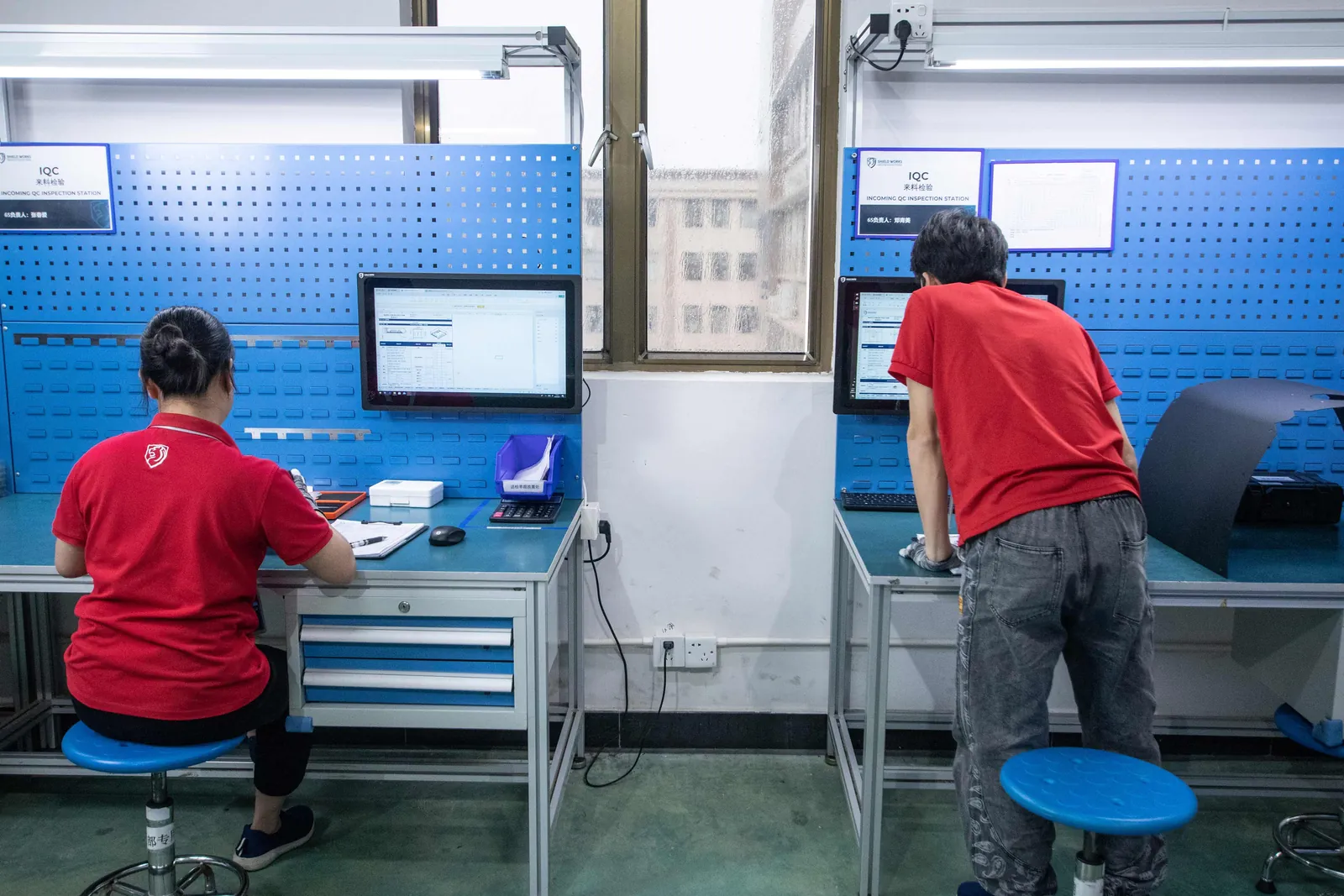
Every Shield Works build runs through internal QC procedures and an independent verification layer. Issues are logged, tracked, and reported direct to your team, with documented corrective actions, not summaries.
- Shield Works internal quality procedures and controls
- Independent QC verification layer where applicable
- Direct-to-client reporting and documented corrective actions

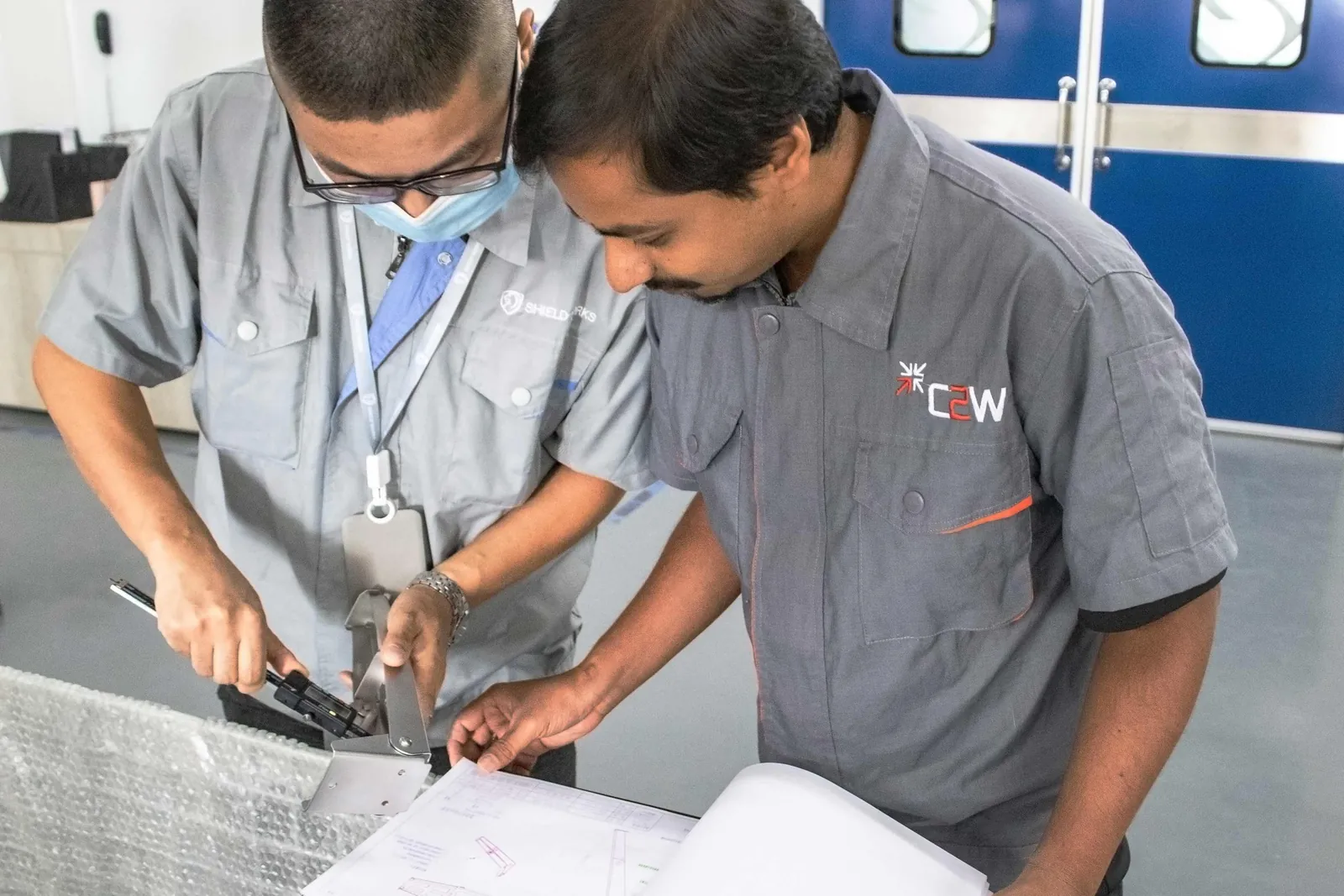
Inspection Coverage
Across the full production lifecycle, not just final QC.
Inspection is built into the build, from first article through to container loading. Each gate has documented criteria so issues are caught early, where they are cheapest to fix.
-
First Article InspectionFAI
The first units off new tooling are checked against the drawings and approved samples before the run is released.
-
Pre-production InspectionPre-prod
Materials, components and line setup are checked before production starts.
-
During Production InspectionIPC + DUPRO
Checks at set points during the run, while there is still time to correct a problem.
-
In-process QCIPQC
Quality checks at the line, built into each workstation’s routine.
-
Pre-Shipment InspectionPSI
Finished goods are sampled and inspected before they are released for shipment.
-
Packing InspectionPacking
Packaging, labelling and carton marks are checked against your specification.
-
Container Loading + ReportingCLC
Loading is supervised, counted and photographed, and the report comes to you.
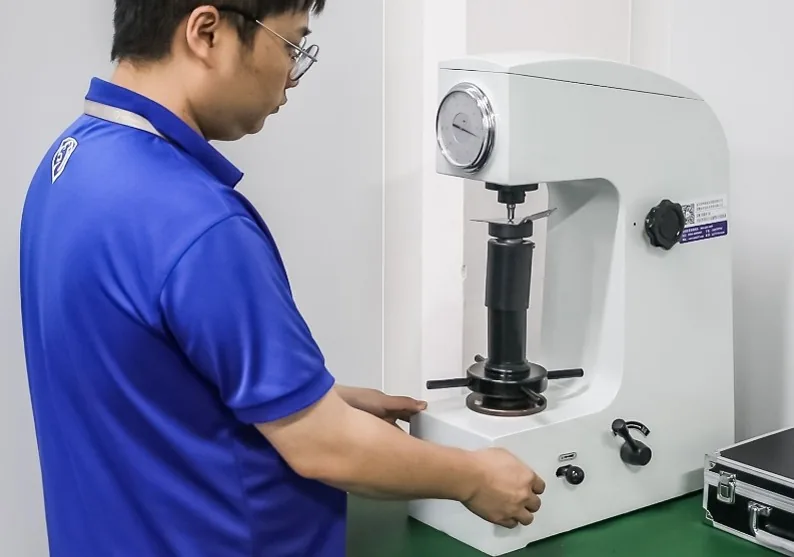
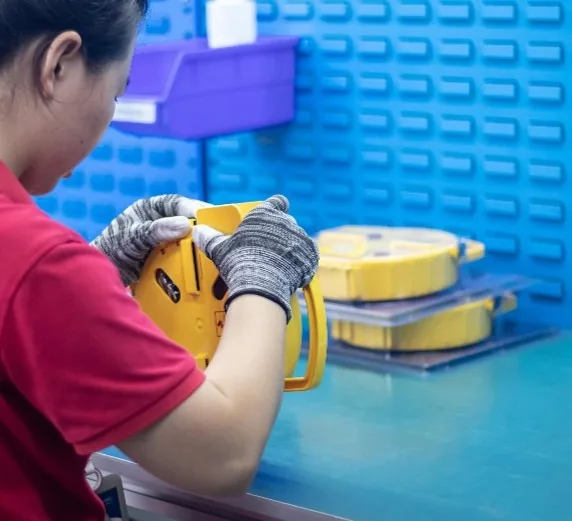
Metrology
Measurement-driven quality, used at critical gates.
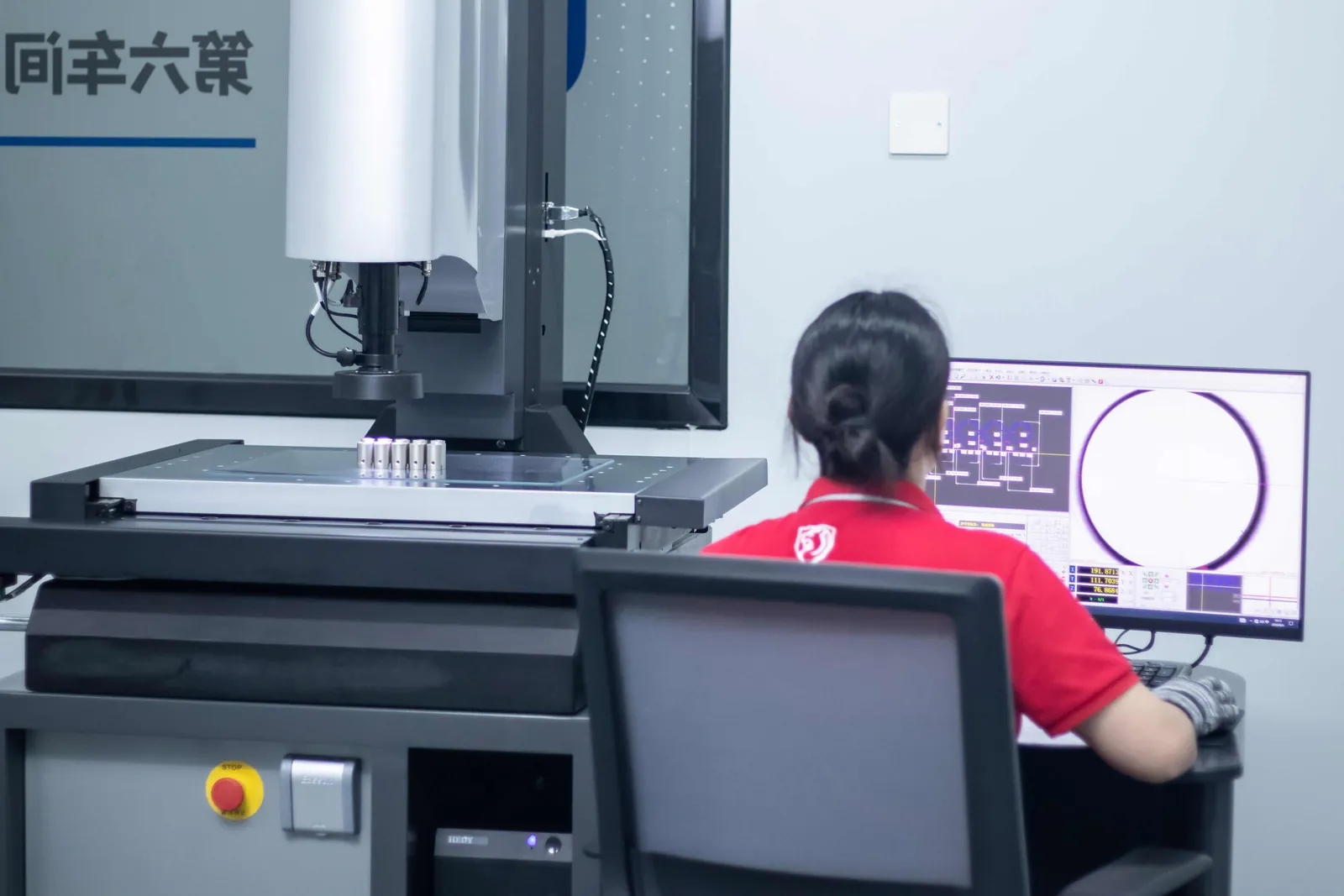
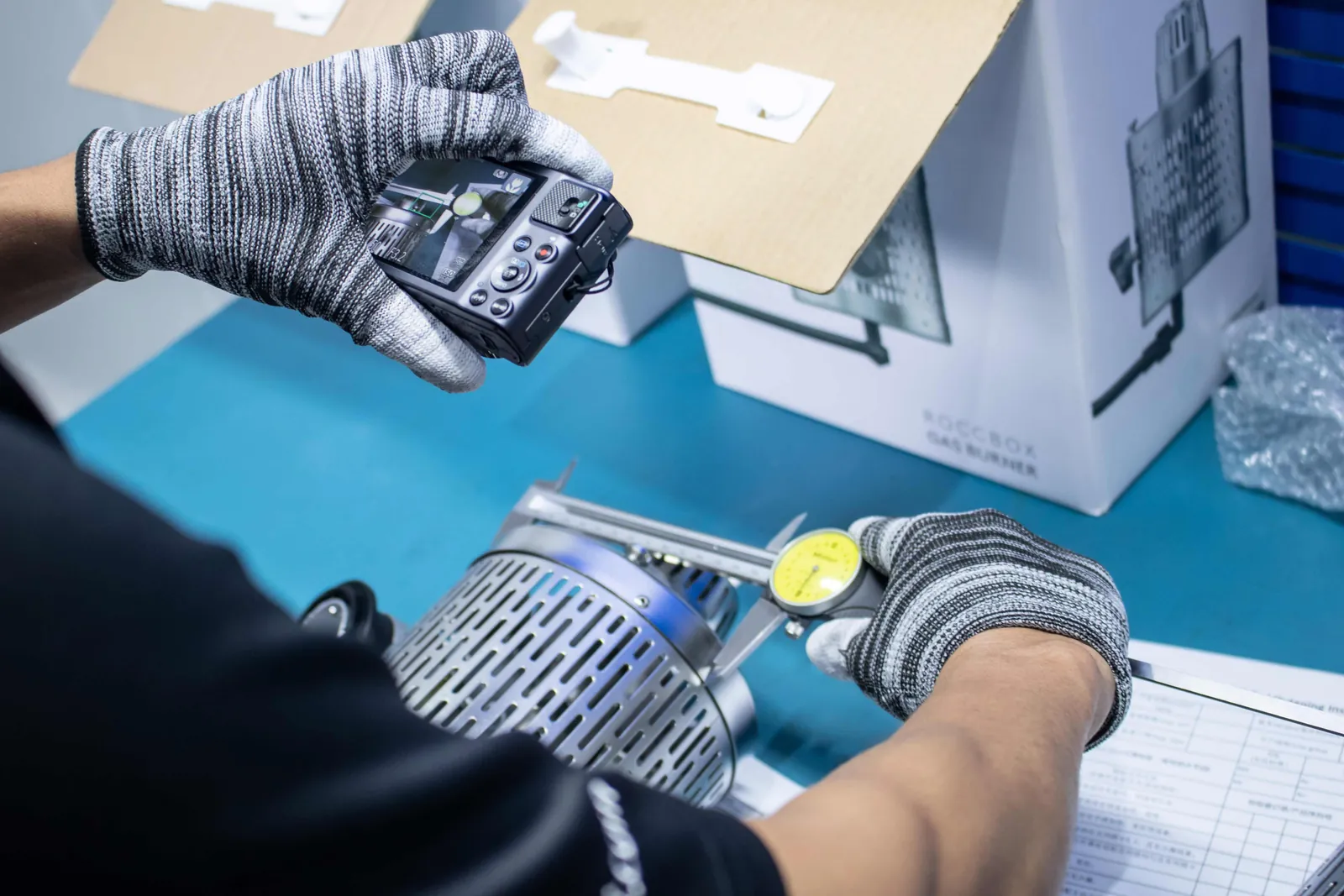
Metrology is applied where it changes the outcome, not just at final inspection. Critical dimensions, torque, finish, and assembly checks are measured against documented specs.
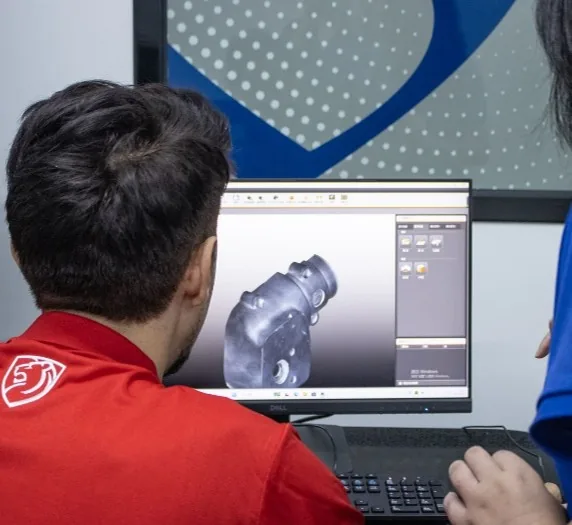
3D scanning & optical inspection
Full-form geometry capture for complex parts, where applicable.
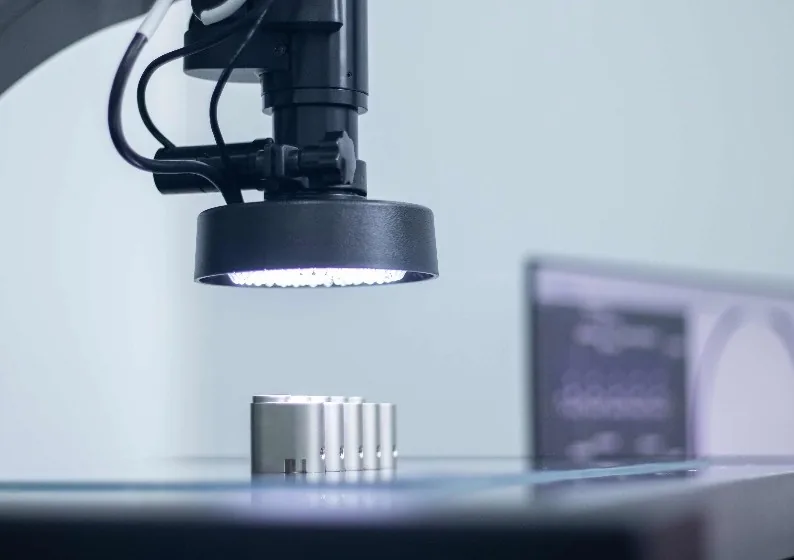
Vision measurement
Sub-millimetre dimensional checks against CAD and tolerance specs.
Gauges & dimensional verification
Calibrated gauges and dimensional measurement tools at every critical gate.
Torque verification
Calibrated torque tools and assembly checks recorded against build records.
Finish & cosmetic checks
Surface, finish and cosmetic inspection against agreed acceptance criteria.
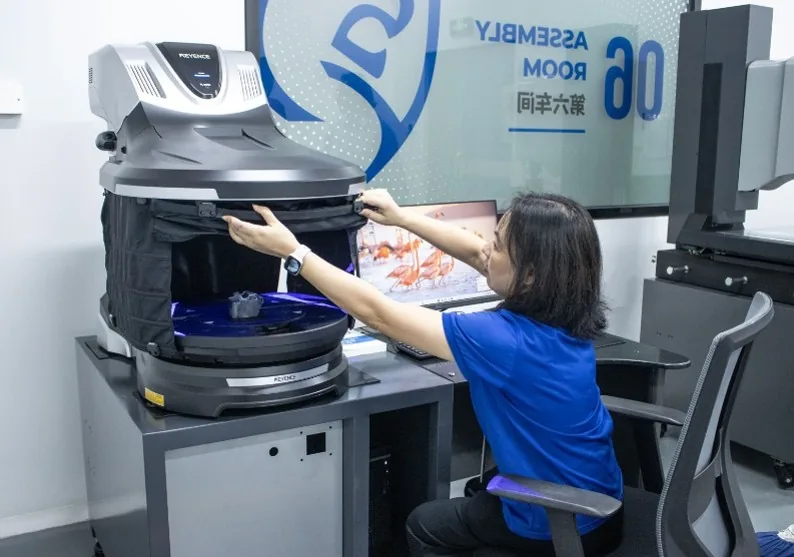

Facility Infrastructure
The hard infrastructure that makes DFX work.
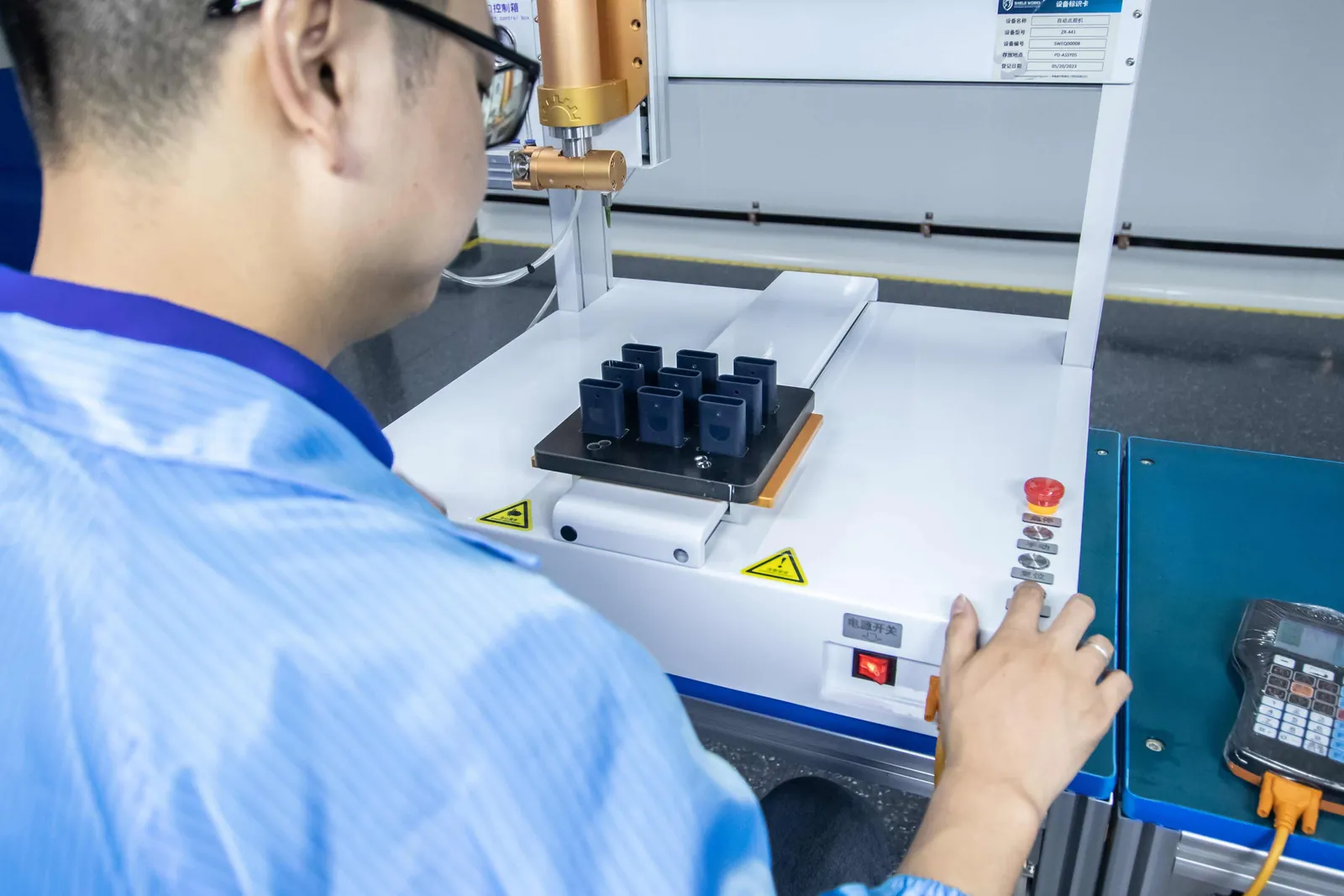
Smart ESD zone
Static-controlled environment for electronics work and PCBA-critical builds.
Controlled assembly environment
Documented work instructions, jigs, fixtures and line layout under SW control.
BOM and revision control
Disciplined revision tracking so the line builds the version you signed off.
Quality checkpoints in the workflow
Gate checks at FAI, IPQC, PSI, packing, and final container loading.
Certifications
Four international certifications. One facility.
Shield Works is independently certified across three management systems: Quality (ISO 9001), Environmental (ISO 14001), and Occupational Health & Safety (ISO 45001). Also audited annually under SEDEX SMETA, an independent ethical-trade audit covering labour, health and safety, environment, and business ethics.

| Certification | Standard | Accredited By |
|---|---|---|
| ISO 9001 | Quality Management System | BSI ANAB |
| ISO 14001 | Environmental Management System | BSI ANAB |
| ISO 45001 | Occupational Health & Safety | BSI ANAB |
| SEDEX SMETA | 4-Pillar Ethical Audit | Independent third-party |
Client Outcomes
What you get when DFX is done properly.
Every metric below is a direct consequence of upstream design discipline. Skip DFX and you pay for these outcomes the slow, expensive way.
- Fewer late-stage changes
- Fewer production surprises
- Higher yield and repeatability before mass production
- Clear build method and test approach, documented
- Faster ramp with controlled pilot reporting and traceability
Frequently Asked
Product development and DFM, answered.
What is design for manufacture (DFM)?
Design for manufacture means reviewing and refining a product design so it can be produced repeatably, at the right cost and quality, before tooling is committed. Tolerances, material choices, assembly order, and test coverage are pressure-tested on paper, where changes are cheap, rather than on the production line, where they are not.
What is the difference between DFM, DFA, and DFX?
DFM optimises a design for manufacturing the parts; DFA (design for assembly) optimises how those parts go together; DFX (Design for Excellence) is the umbrella covering both plus cost control, quality, performance validation, and long-term reliability. Shield Works DFX is a dedicated R&D operation running all of it.
At what stage can I bring you my project?
Any stage: a concept sketch, a CAD file, a working prototype, or an already-tooled product that needs a second source or improvement. Flexible intake places you at the matching gate of our NPI/NPD framework, and disciplined gates take it from there.
What does the engineering scope include?
Mechanical CAD support, tolerance and stack analysis, DFM and DFA reviews, production engineering (line layout, jigs, fixtures, work instructions), plus PCBA integration, ESD planning, and functional test definition for electronic products.
Can you prototype in-house?
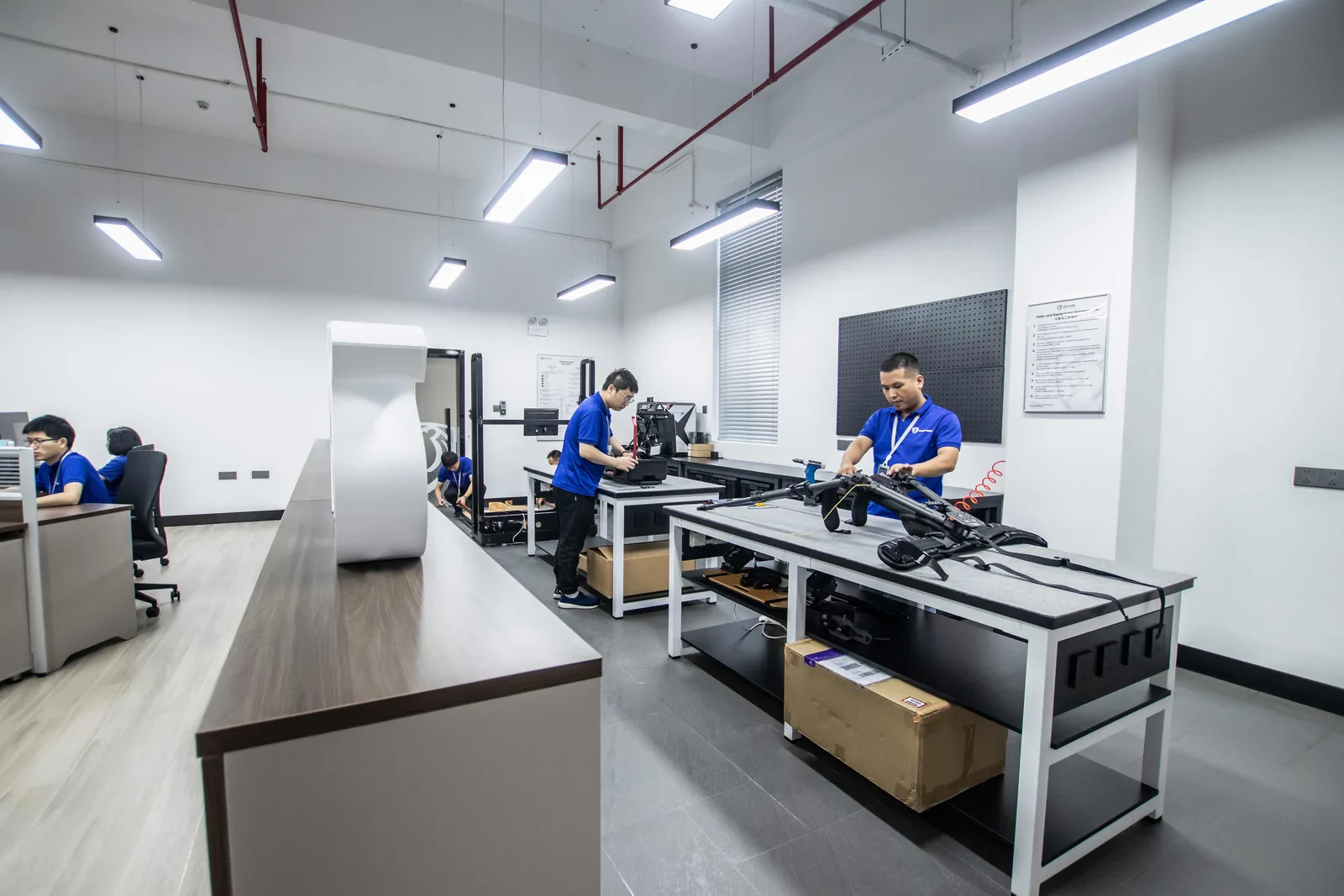
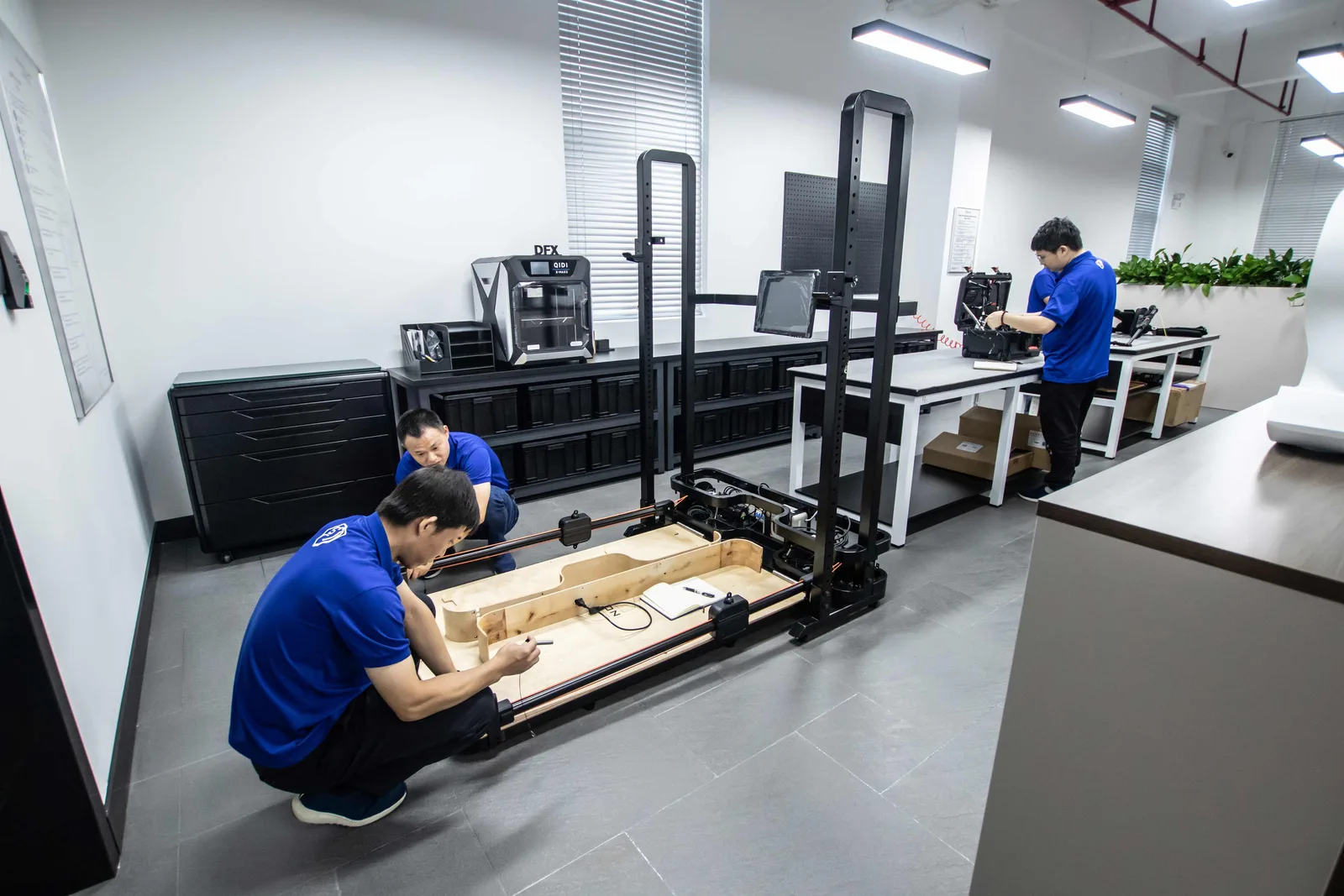
Yes. The DFX R&D zone includes workshop benches and 3D printing for rapid concept validation, plus category test infrastructure including a full test kitchen for cooking products and a barista station for coffee equipment.
How is development work kept confidential?
Development runs under the same controls as production: NDAs before any data is shared, design files restricted to authorised engineers, and each client project fully isolated. See the full IP protection model.
What happens after I submit a brief?
We look at your design maturity and requirements, assess fit, and reply to most enquiries within 24 hours. If it looks like a fit, we review the project in detail and issue an NDA where needed, then set up a call to confirm fit before we come back with a proposal. All work runs under a paid engagement. Submit your project brief.